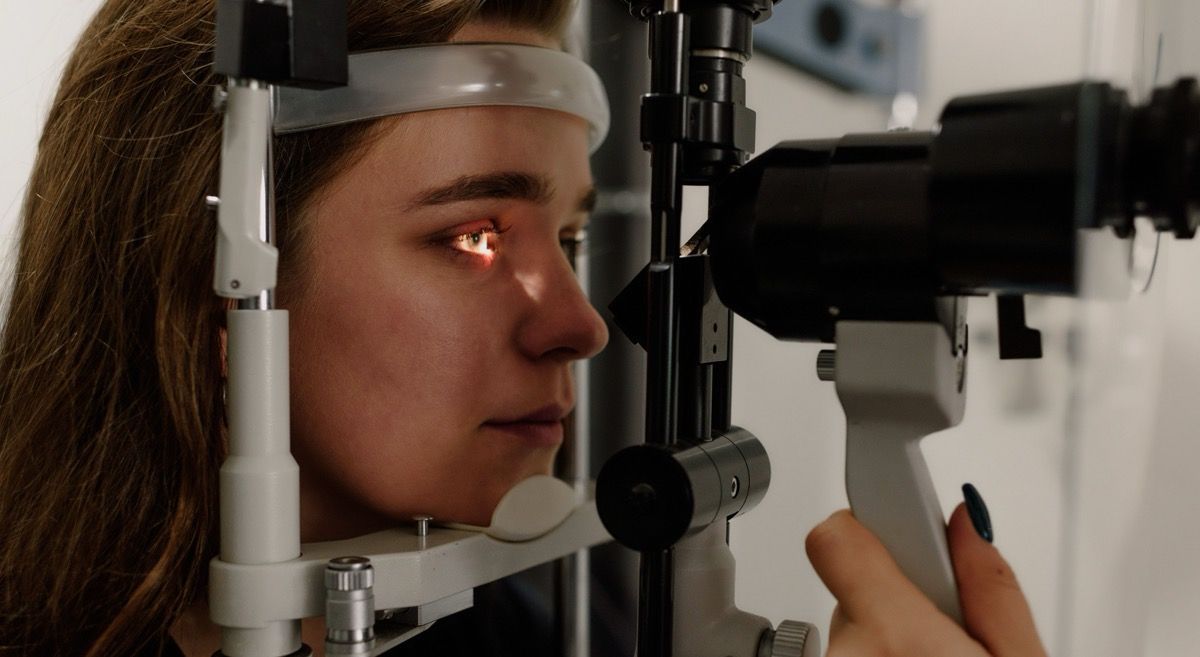
Here’s some data you might want to take in: 72% of employees report struggling with environmental eye issues that reduce focus and productivity. But HR leaders estimate that less than half their employees are affected.
This gap between perception and reality is costing companies like yours. Employees with unmanaged eye strain are less productive, more likely to take time off, and more likely to leave for employers who demonstrate greater care about their wellbeing. That’s a significant opportunity to improve culture and retention.
Three Environmental Threats to Your Employees’ Vision
1. Seasonal Eye Discomfort
Pollen, allergens, and seasonal environmental changes trigger itchy, red, burning, watery eyes and blurred vision for roughly 7 out of 10 workers. These symptoms aren’t necessarily minor—they can reduce focus, increase errors, and lead to personal time off.
The problem worsens in both spring and fall when allergens are high. But employees can experience seasonal eye discomfort year-round due to changes in climate and weather patterns, humidity shifts, and indoor environmental factors.
What you can do:
- Educate employees about causes, symptoms, and treatments
- Provide resources from reputable sources like the American Optometric Association
- Install HEPA air filters in your workplace
- Post reminders about washing hands and avoiding eye rubbing
- Share information about OTC treatments and when to see an eye doctor
2. Workplace Climate, Air Quality, and Lighting
Your workplace environment directly affects your employees’ eyes. Hot summer air combined with aggressive air conditioning creates dryness and irritation. Cold winter heating has the same effect. In more severe cases, poor indoor air quality from cooking oils, pesticides, and volatile organic compounds (VOCs) can contribute to ocular surface disease, glaucoma, and conjunctivitis.
Lighting matters enormously. Dim conditions cause 45% of employees to report eye strain, stress, and anxiety. On the other hand, overly bright settings could also trigger strain and plus headaches. Screens compound the problem, with two-thirds of employees reporting screen-related eye issues.
What you can do:
- Install humidifiers to maintain balanced indoor humidity
- Evaluate workplace lighting: ensure it’s adequate without being excessive
- Advise employees to follow the 20-20-20 rule: every 20 minutes, look at something 20 feet away for 20 seconds
- Recommend screen filters and blue light settings on devices
- Address poor air quality by using low-odor cleaning products and understanding building material VOCs
3. Workplace Eye Safety
Nearly 25,000 workplace eye injuries occur annually in the U.S., resulting in lost productivity, high medical costs, vision impairment, and mental health issues. But here’s what’s alarming: the fastest-growing number of eye injuries now occur at home—the new workplace for many employees.
Common workplace eye hazards include blunt force trauma, flying debris, chemical splashes, radiation, and dust. Yet only 56% of employees feel their workplace is eye-friendly. While 81% of HR leaders say their company promotes protective eyewear, only 45% of employees agree.
What you can do:
- Regularly inspect work areas and equipment for eye hazards
- Remove or reduce hazards where possible; clearly mark those that can’t be removed
- Enforce the use of OSHA-approved safety glasses or face shields
- Educate employees with literature, signage, videos, and presentations
- Provide guidance for remote workers on home office eye safety
Vision Insurance: A Benefits Strategy That Supports Culture and Retention
Vision insurance covers regular eye exams, which catch vision problems and eye health issues before they become serious or affect work performance. Employees with access to vision care get prescription glasses, contact lenses, and lens treatments that reduce eye strain and improve productivity. They’re more likely to seek preventive care rather than waiting until problems impact their work.
More importantly, employees who have vision benefits feel valued. They’re more likely to stay with your company, more engaged in their work, and more satisfied overall. In a competitive labor market, comprehensive benefits—including vision—matter to recruitment and retention.
What to Watch Out For
Employee education gaps: Many employees don’t know what treatments are available for eye issues. They don’t understand the connection between their environment and their eye health. Make sure your benefits communication includes eye health education, not just enrollment information.
Perception vs. reality: Don’t assume your HR team knows how employees are really experiencing the workplace. Conduct surveys or focus groups specifically about eye health and environmental comfort. The disconnect between what leadership thinks and what employees experience is real.
Remote and hybrid workforce challenges: Eye safety doesn’t end when employees leave the office. Many work from home or switch between locations. Provide guidance on home office setup, lighting, screen positioning, and break strategies.
Preventive care adoption: Not all employees will use their vision benefits. Promote regular eye exams as preventive care, not just for getting glasses. Highlight the benefits of early detection and the connection between eye health and overall wellbeing.
Foster a Culture That Cares
Make sure your benefits package includes vision insurance that supports preventive eye care. The payoff is measurable: improved productivity, higher engagement, better retention, and a workplace culture where employees know their employer values their wellbeing.
When you invest in protecting their vision, you’re investing in your organization’s vision as well.