According to Aflac's 2026 Employee Benefits Trends report, only 38% of employees say they understand everything about their benefits. That means most workers need more guidance on what coverage they actually have and how to use it. This is called health care literacy: the ability to find, understand, and use health information and services.
When employees lack health care literacy, they're more likely to delay care, make poor medical decisions, and rack up unnecessary costs. For employers, that translates into higher claims costs, lower productivity, and frustration with benefit programs that were supposed to help.
The scale of the problem is significant. The Centers for Disease Control and Prevention estimates that better health literacy nationwide could prevent nearly 1 million hospital visits annually and save more than $25 billion in health care costs each year.
What Happens When Employees Don't Understand Their Benefits
Employees who don't understand their coverage often make choices that cost everyone more:
- They use
out-of-network providers unnecessarily, paying higher costs than they would in-network
- They choose
expensive care settings, like emergency rooms, for non-emergencies that urgent care or telehealth could handle
- They
skip preventive care that could catch and treat conditions before they become serious and costly
- They
misinterpret medical bills or fail to challenge incorrect charges
These behaviors impact more than just the employees themselves. They drive up costs across your entire benefits plan and contribute to absenteeism, as well as 'presenteeism,' when employees show up to work but are too distracted or unwell to be productive.
Adding to the pressure is the fact that health insurance premiums rose 7% last year, and the increase is expected to more than double in 2026. As costs climb, the price of employee confusion climbs with them.
Open Enrollment Alone Isn't Enough
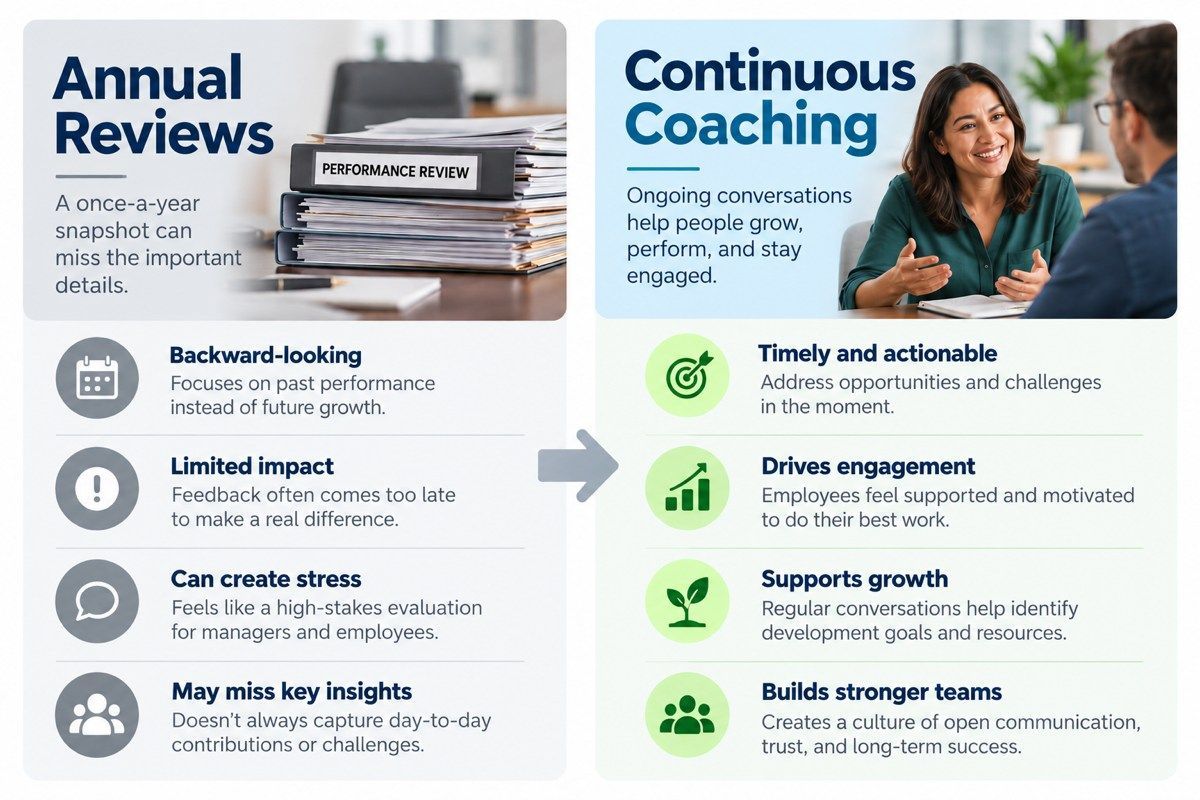
Many employers concentrate their communication efforts on open enrollment. That makes sense, since it's the moment employees choose their plans. But a once-a-year push isn't quite enough to build true health care literacy.
Employees make health care decisions all year long, like when they schedule a test, fill a prescription, or decide where to seek care for a sudden illness. Without ongoing education, even a well-designed benefits package can go underused, and employees may end up making costly choices simply because they didn't know a better option existed.
Employers that take a continuous approach to benefits education are more likely to see employees engage with their coverage and make well informed decisions throughout the year.
Practical Ways to Build Health Care Literacy
You don't need to overhaul your entire benefits strategy to make progress. Small, consistent steps can have a meaningful impact:
Use plain language. Rewrite benefit materials to eliminate jargon. Explain key terms like deductibles, copays, and coinsurance in simple terms, aiming for a sixth- to eighth-grade reading level. After all, even employees with post-graduate degrees may not have the expertise to understand the health care and insurance industry!
Educate year-round. Provide monthly or quarterly communications focused on one topic at a time, such as preventive care, telehealth, or how to read an explanation of benefits statement.
Show real-world examples. Compare costs for common scenarios, like an urgent care visit versus an emergency room visit, so employees can see the financial impact of their choices.
Promote in-network savings. Use visuals or simple tools that show employees how much they can save by staying within their plan's network.
Leverage multiple channels. Combine email newsletters, intranet content, webinars, and short videos to meet employees wherever they're most likely to engage.
Offer decision support. Provide access to benefits counselors, in person or virtually, who can help employees choose plans and understand their coverage.
Encourage preventive care. Regular reminders about screenings, vaccinations, and annual checkups reinforce healthy behaviors and help reduce long-term costs.
Build Trust and Engagement
Employers who invest in health care literacy can become a trusted source of information for their workforce. That trust can increase participation in wellness programs, improve satisfaction with benefits, and strengthen retention.
Workers increasingly expect guidance and want help navigating a complex system. And as the employer, you are well positioned to provide that guidance.
Health care literacy isn't just a nice-to-have. It's a bottom-line investment that pays off in lower costs, healthier employees, and a workforce that trusts you to help them make sense of a system that often seems confusing by design. Start small, stay consistent, and your benefits program will work harder for everyone.